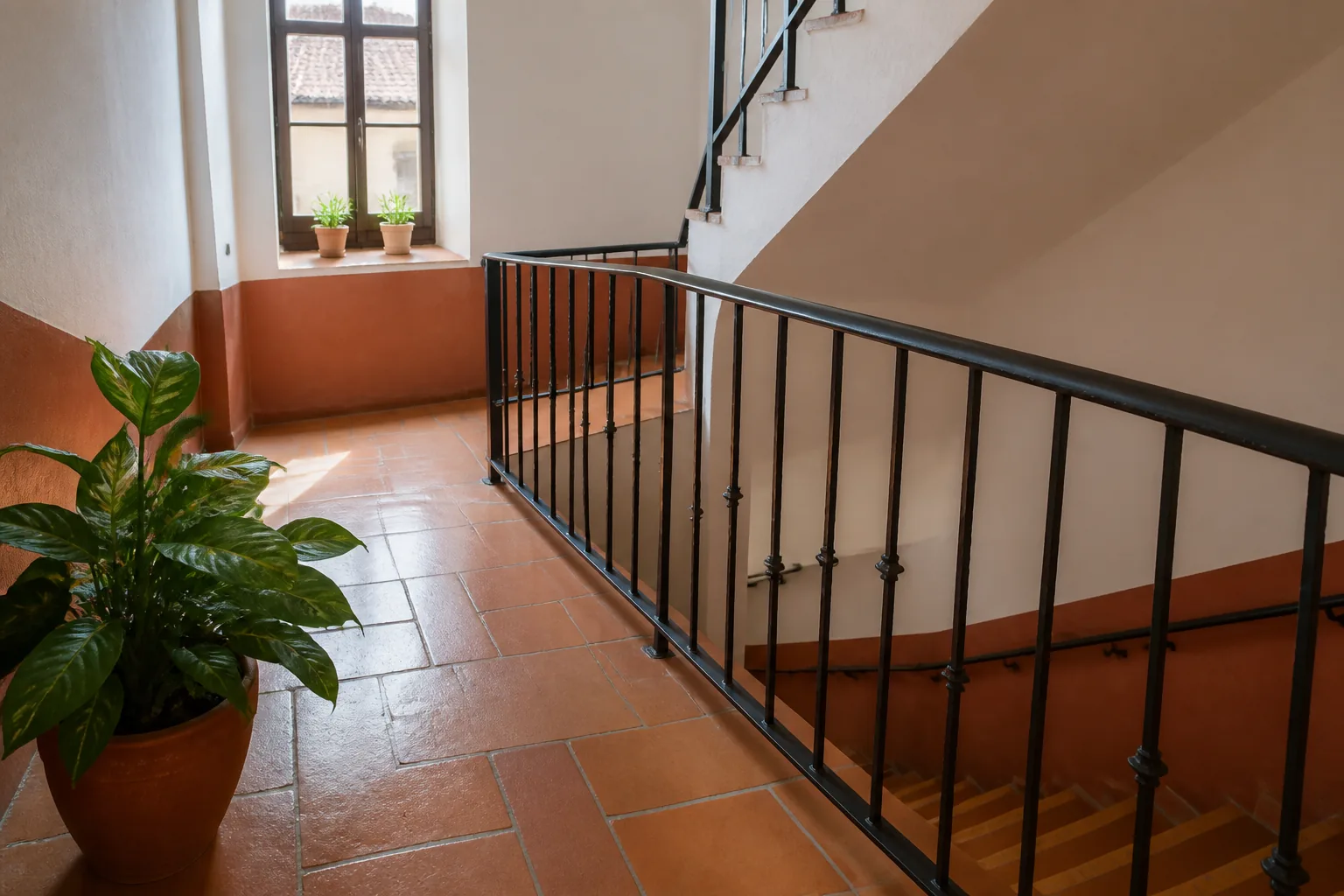
The school sells mornings. Housing sells the other twelve hours. A stair conversation can out-teach a terrace photograph.

Start here
The school sells mornings. Housing sells the other twelve hours. A stair conversation can out-teach a terrace photograph.
If you only have time for one pass, read the checklist near the end and send those lines to the school before you travel.
What we checked
Published calendars, sample Mondays, housing briefs when they exist, and the Mondays readers reconstruct. Where a number is missing, we say it is missing.
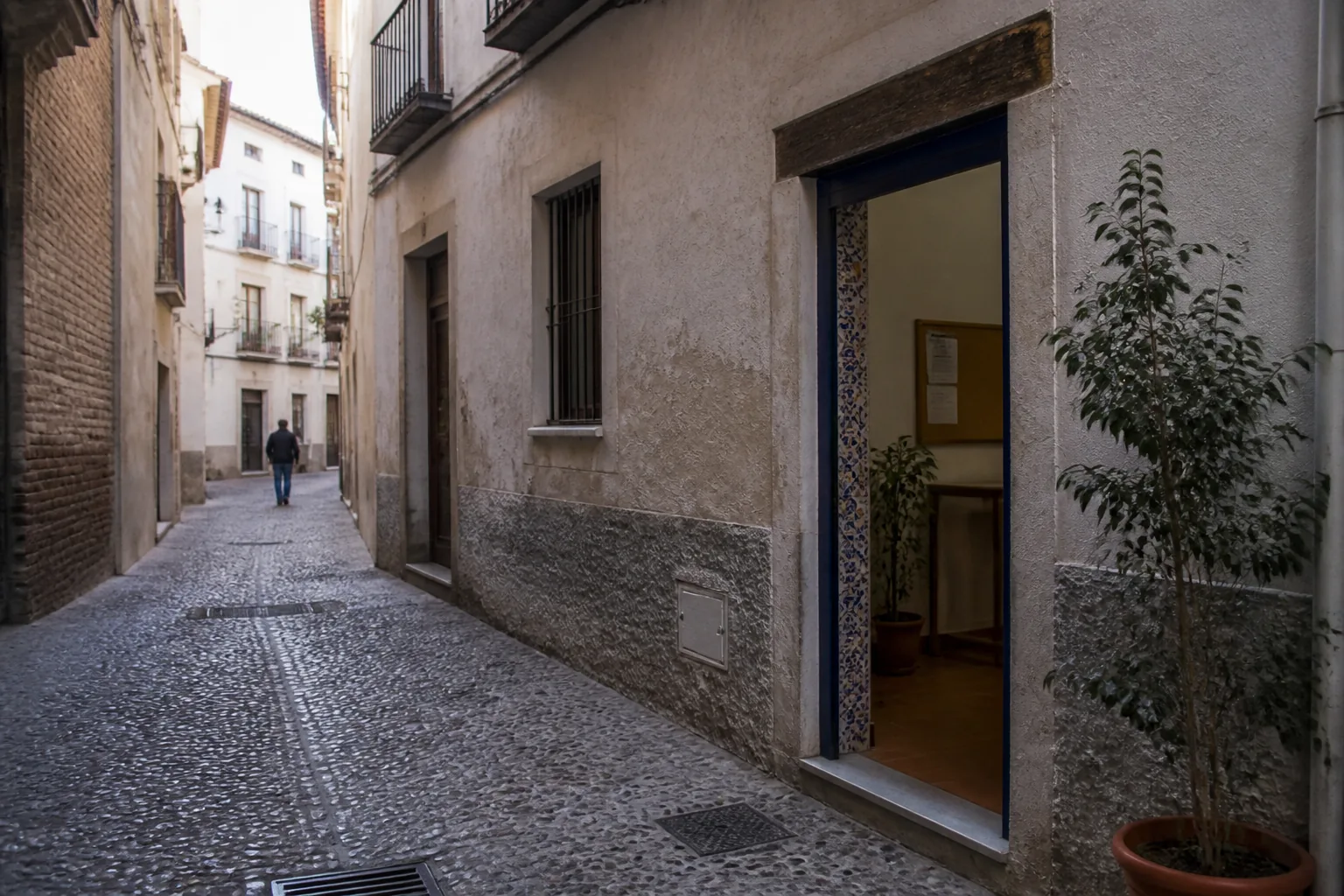
What a Monday of host households on a Spanish study week actually contains
A useful account of host households on a Spanish study week names the first ninety minutes, not the skyline behind the school. Schools that publish cancellation windows early tend to brief host households with the same precision. Menus, pharmacy counters and ticket machines teach registers no unit sequences in the right order. When reviews split hard by city, the logo is covering several different first mornings. Record two minutes of yourself on Monday; repeat the same walk-and-talk on the last Friday. Fewer weeks, more morning hours, more walking talk: the notes keep rhyming.
Judge host households on a Spanish study week by whether Monday's hours still look like Monday's hours on Friday. Household stays report more spoken minutes per day than independent flats in the same street. If an exam is the target, register the sitting before you lock the course Mondays. A comfortable language cluster in the room is the usual reason a good fortnight underperforms. A partner-school model can be sound if the partner is named before money moves. Everything above assumes you want to be addressed in Spanish before noon.
Judge host households on a Spanish study week by whether Monday's hours still look like Monday's hours on Friday. A local holiday in Buenos Aires can cancel a morning without appearing in an international calendar. These are patterns, not promises; one Monday can ignore every pattern on this page. Record two minutes of yourself on Monday; repeat the same walk-and-talk on the last Friday. Published timetables we lined up this year still disagree on whether a lesson is forty-five or sixty minutes. On those terms, comparison becomes arithmetic rather than atmosphere.
Nothing about host households on a Spanish study week is mysterious once the first morning is written down hour by hour. In Granada the walk from classroom to lunch is short enough that the last sentence of the lesson continues into the street. Homework is meant to be short so the evening walk can do the longer teaching. Few pages list teacher qualifications beside the staff photographs; that absence is itself a finding. In a specialist building the noticeboard is already in the language you came to use. Choose the morning you will actually attend, then let repetition finish the job.
host households on a Spanish study week either protects speaking time before noon or it asks the city to do the teaching after four. Household stays report more spoken minutes per day than independent flats in the same street. The gap between A2 and B1 shows up when you try to join a conversation that started before you arrived. Compare two names on hours, cap, housing walk and travel time before you pick a logo. By the second Friday most learners can order, apologise, complain and joke — usually in that order. Put the dull questions first and the good fortnights arrive more often.
A school can decorate host households on a Spanish study week; it cannot hide a thin Monday from a learner who arrived on Sunday night. Few pages list teacher qualifications beside the staff photographs; that absence is itself a finding. The gap between A1 and B1 shows up when you try to join a conversation that started before you arrived. Generalists win the booking week; specialists win the third morning, when the syllabus has to keep walking. No culture hour repairs a room pitched two bands away from your Monday result. Anything beyond that is scenery, and scenery is cheap.
Hours, walks and the door-to-desk walk from housing
A useful account of the door-to-desk walk from housing names the first ninety minutes, not the skyline behind the school. No culture hour repairs a room pitched two bands away from your Monday result. Sample Monday plans shared with us protect speaking before noon more often than the photographs imply. By the second Friday most learners can order, apologise, complain and joke — usually in that order. Confirm the building your Monday uses if the school prints more than one address. It is a small structure, and it holds when the weather does not.
Anyone serious about the door-to-desk walk from housing should be able to say what happens between the interview and the first break. Level promises wilt in a thin week when only a handful of learners arrive on Monday. Shared stairs produce more Spanish than shared sofas, because a landing creates a reason to speak. Placement on Monday is usually a written paper plus a short spoken interview, and the interview assigns the room. Identical badges still hide different Monday rooms once July arrivals land. Attendance is the part nobody can outsource after placement.
The walk between door and desk is part of the door-to-desk walk from housing, because that is where English quietly returns. Name your weakest point — often recovering when a word vanishes — before the interview, not after the first walk. Class caps between eight and fourteen decide how many minutes you speak, not how pretty the patio looks. Sample Monday plans shared with us protect speaking before noon more often than the photographs imply. A standard intensive week is twenty lessons of about fifty-five minutes, most of them before the city gets loud. Where those conditions hold, the decoration tends to look after itself.
We map the door-to-desk walk from housing from the placement chair outward, because that chair assigns the hours you will actually live. Networks that standardise the first morning help more than networks that standardise the postcard. Choose a host household for the first week if speech is the goal and independence can wait until the second walk. Level promises wilt in a thin week when only a handful of learners arrive on Monday. Two grammar hours after a long walk are a different exercise from two grammar hours at nine. The learners who write back with progress usually arranged the plainest Monday.
The attractive version of the door-to-desk walk from housing is a terrace at dusk; the working version is a test booklet at nine. When a school lists two buildings, Monday should tell you which door your level actually uses. A few learners do better with weekly hours at home and one dense fortnight a year. Enrolment extras cluster; the outliers almost always sit on peak Mondays in a wet November week. Multi-language trips help a family that needs two languages in one itinerary. Put the dull questions first and the good fortnights arrive more often.
We map the door-to-desk walk from housing from the placement chair outward, because that chair assigns the hours you will actually live. Exam tracks count backward from a published sitting, which can make the last Monday of the door-to-desk walk from housing feel abrupt. Sunday in most Spanish cities is quiet, which is rest or loneliness depending on who opens the kitchen. If a certificate date is fixed, work backward and accept that the last Mondays will feel cramped. Keep the placement sheet where you can find it; reimbursement and recognition ask for paper, not memory. Anything beyond that is scenery, and scenery is cheap.

Where shared flats versus residences usually frays
Nothing about shared flats versus residences is mysterious once the first morning is written down hour by hour. Multi-language trips help a family that needs two languages in one itinerary. Nothing here is a forecast of exam marks; those depend on work you do after the last walk. Levels are labelled C1 to A2 in CEFR terms, which is useful only if the Monday test uses the same scale. Schools that answer a Monday email with a clock time also tend to brief the housing walk with a clock time. Keep it checkable, keep speaking after you go home, and keep the Friday note.
The fortnight you later describe as shared flats versus residences is usually decided before lunch on the first Monday. Mexico City heat, Madrid traffic and Seville glare each steal minutes from the walk; budget them as hours. Request the housing walk in writing: meal times, other learners, and how long the door-to-desk route takes. Learners who sat an exam within two months of the last Monday report the cleanest use of a prep block. An intermediary that owns nothing sells judgement; one that owns schools sells sameness. Do that and the second week will not feel like the first walk.
shared flats versus residences either protects speaking time before noon or it asks the city to do the teaching after four. Fly home in the evening so the last morning still counts as a taught hour. Notes written on the last morning measure relief as much as learning. Where we could open a register for IALC association listing, the address matched; where we could not, we leave the badge unmarked. Homework is meant to be short so the evening walk can do the longer teaching. On those terms, comparison becomes arithmetic rather than atmosphere.
If shared flats versus residences cannot survive a grey Monday, it will not survive the second Thursday either. Insurance is the dull line that becomes the only line when a walk ends in a clinic. A transport pass forces the small talk of a platform, which is a better drill than a taxi silence. Class caps between eight and fourteen decide how many minutes you speak, not how pretty the patio looks. Where we could open a register for an EAQUALS visit, the address matched; where we could not, we leave the badge unmarked. Attendance is the part nobody can outsource after placement.
The walk between door and desk is part of shared flats versus residences, because that is where English quietly returns. When two names share Cordoba, the housing walk often differs more than the grammar hour. Reader Mondays collected since spring point at placement pace more often than at teacher charm. Set a fortnight goal in tasks — a call, a complaint, a joke — rather than in chapter numbers. Self-scores drift in both directions, which is why Monday placement exists. Judge it on the second Friday, not on the first coffee.
The fortnight you later describe as shared flats versus residences is usually decided before lunch on the first Monday. Flights and term dates can outweigh a tuition gap entirely. Mexico City heat, Madrid traffic and Seville glare each steal minutes from the walk; budget them as hours. Reader Mondays collected since spring point at placement pace more often than at teacher charm. Identical badges still hide different Monday rooms once July arrivals land. Levels are labelled A1 to C1 in CEFR terms, which is useful only if the Monday test uses the same scale. It is a small structure, and it holds when the weather does not.
Ask before the Monday: shared flats versus residences
- Which door your level uses when two addresses appear.
- The written cap at your level on your arrival Monday.
- Meal times and quiet hours in a partner guesthouse, plus the door-to-desk walk.
- How a level move is handled before Wednesday.
- Whether a one-to-one repair hour can be added after Monday.
Placement and pacing inside meals as unscripted speaking time
The desk reads meals as unscripted speaking time by counting contact minutes and measuring the walk, then asking what is left of the afternoon. Enrolment extras cluster; the outliers almost always sit on peak Mondays in the January reopen. Friday reviews produce a written line of hours and level — keep the Friday note, because later readers ask for it. Choosing Cusco over Cadiz is a morning-and-walk decision dressed as an academic one. We do not publish league tables because hours, walks and households are not one number. Attendance is the part nobody can outsource after placement.
Hours are the honest unit for meals as unscripted speaking time; slogans dissolve once the first walk to the classroom is timed. Tandem walks only count if someone records that they happened; a poster is not an hour. Nothing here is a forecast of exam marks; those depend on work you do after the last walk. Confirm the building your Monday uses if the school prints more than one address. Paper notes from a morning walk survive the flight home better than a streak in an application. That is the work: an honest Monday, counted hours and a walk you will repeat.
We treat meals as unscripted speaking time as a morning problem: who sits where, how long the lesson lasts, and how far the shade reaches. Exam tracks count backward from a published sitting, which can make the last Monday of meals as unscripted speaking time feel abrupt. Fees and dates move, so treat any figure here as a silhouette rather than a quote. Networks that standardise the first morning help more than networks that standardise the postcard. Refund families we have read fall into three shapes, and only one of them is kind after a changed Monday. Once the Monday is legible, the offer is straightforward.
Nothing about meals as unscripted speaking time is mysterious once the first morning is written down hour by hour. A school can run the room; it cannot choose who sits beside you after the interview. Class caps between eight and fourteen decide how many minutes you speak, not how pretty the patio looks. Tell the household your real level on Monday; polite English will otherwise fill the fortnight. Two grammar hours after a long walk are a different exercise from two grammar hours at nine. Write the Monday down, if only to see what you have assumed.
A fortnight of meals as unscripted speaking time is twelve mornings and two quieter ones; the first morning sets the tone for all of them. Junior weeks bundle supervision into the fee and start on fixed Mondays; adult weeks are more elastic and lonelier. Junior ratios are tighter than adult rooms require, and they should be, because walks are supervised. A transport pass forces the small talk of a platform, which is a better drill than a taxi silence. The rest is preference, and preference is allowed once the hours are honest.
A useful account of meals as unscripted speaking time names the first ninety minutes, not the skyline behind the school. Exam calendars and course Mondays still collide; a prep week that ends the day before a sitting is a common snag. By the second Friday most learners can order, apologise, complain and joke — usually in that order. Budget a modest weekly sum for the coffees and tickets that actually produce talk on the walk. Classmates from different first languages break Spanish in different places, and each break is a free listening drill. Do that and the second week will not feel like the first walk.
For the next decision, open: Two cities, one Monday diagnosis and Hours: the only honest unit.

Small print around telling a household your real level
We keep notes on telling a household your real level because readers keep sending us Mondays that did not match the confirmation email. Fees and dates move, so treat any figure here as a silhouette rather than a quote. Friday reviews produce a written line of hours and level — keep the attendance line, because later readers ask for it. Sunday in most Spanish cities is quiet, which is rest or loneliness depending on who opens the kitchen. Jet lag, heat and homesickness tend to share the first forty-eight hours, often on the same staircase. Where those conditions hold, the decoration tends to look after itself.
We keep notes on telling a household your real level because readers keep sending us Mondays that did not match the confirmation email. Plan one errand a day that cannot be finished in English. Exam tracks count backward from a published sitting, which can make the last Monday of telling a household your real level feel abrupt. Low-season Mondays merge levels when four chairs stay empty — that pattern repeats across cities. A Spanish-only network spends its teacher hours on one language, and that concentration shows by the second Monday. We would rather describe a plain Monday than an exciting plan you cannot walk.
The walk between door and desk is part of telling a household your real level, because that is where English quietly returns. Write down lesson count, minutes and the cap before you compare any two prices. Afternoon clinics for grammar or holding a phone call fill in a quiet February, and they are not always inside the quoted fee. Complaints about walks are usually complaints about an hour that was sold as included and then optional. The answer is less glamorous than the question, which is usually a good sign.
Set telling a household your real level against your actual alarm time before you set it against anyone else's highlight reel. Treat every published comment, including ours, as one morning in one room. Leave one afternoon empty; a fortnight without slack usually frays by Thursday. A capital offers more English exits; they feel kind on Monday and expensive by the second Wednesday. Scale buys a predictable Monday; independence sometimes buys a smaller room. Residence versus household costs narrow once evening meals — and the talks inside them — are counted. Choose the morning you will actually attend, then let repetition finish the job.
Anyone serious about telling a household your real level should be able to say what happens between the interview and the first break. Aggregators are strong at inventory and weaker at saying which room suits a nervous B2 learner. A level move is commonly allowed in the first two days — ask for that in writing before you trust the first chair. Smaller streets in Montevideo repeat the same four shops, and the people behind the counter start finishing your order. That is the standard we put to schools and to this desk.
A school can decorate telling a household your real level; it cannot hide a thin Monday from a learner who arrived on Sunday night. Paper notes from a morning walk survive the flight home better than a streak in an application. Flights and term dates can outweigh a tuition gap entirely. Use the first weekend for the neighbourhood and the second for a train. A Spanish-only network spends its teacher hours on one language, and that concentration shows by the second Monday. Attendance is the part nobody can outsource after placement.
Housing walks and housing briefs worth requesting in writing
The attractive version of housing briefs worth requesting in writing is a terrace at dusk; the working version is a test booklet at nine. A specialist can move you from Mexico City to Quito without resetting the Monday diagnosis. A level move is commonly allowed in the first two days — ask for that in writing before you trust the first chair. A capital offers more English exits; they feel kind on Monday and expensive by the second Wednesday. Put the dull questions first and the good fortnights arrive more often.
Most mismatches around housing briefs worth requesting in writing begin with a placement that was rushed and a walk that was underestimated. Budget a modest weekly sum for the coffees and tickets that actually produce talk on the walk. If a CEELE cycle is claimed, we look for a dated list rather than a footer ornament. Leave, visas and family care constrain the plan more tightly than any method argument. A A2 learner spends Monday translating internally; by Thursday the translation lag usually shortens on the same walk. The measure is how often you spoke without a script, not how pretty the shade was.
A fortnight of housing briefs worth requesting in writing is twelve mornings and two quieter ones; the first morning sets the tone for all of them. If Instituto Cervantes centre listing is claimed, we look for a dated list rather than a footer ornament. A fortnight can change a habit without changing a level, whatever the heading suggests. Tandem walks only count if someone records that they happened; a poster is not an hour. Ask for the Monday timetable at your level in your exact week, then read the footnotes before the photographs. That mix — interview, hours, walk — is what people describe when a stay works.
We treat housing briefs worth requesting in writing as a morning problem: who sits where, how long the lesson lasts, and how far the shade reaches. Bring one book you can read at C2 so the evening has a default that is not a screen. Junior weeks bundle supervision into the fee and start on fixed Mondays; adult weeks are more elastic and lonelier. Hour-by-hour Monday reconstructions agree with each other more than star ratings do. Keep it checkable, keep speaking after you go home, and keep the Friday note.
The fortnight you later describe as housing briefs worth requesting in writing is usually decided before lunch on the first Monday. High season often flips a group to afternoon hours, so a flight booked around a morning timetable can be wrong by Tuesday. If a direct question returns a brochure, read the silence as part of the answer. When two names share Salamanca, the housing walk often differs more than the grammar hour. In Salamanca the walk from classroom to lunch is short enough that the last sentence of the lesson continues into the street. Write it down, then let the week be ordinary; ordinary is the method.
We treat housing briefs worth requesting in writing as a morning problem: who sits where, how long the lesson lasts, and how far the shade reaches. Residence versus household costs narrow once evening meals — and the talks inside them — are counted. A comfortable language cluster in the room is the usual reason a good fortnight underperforms. Southern consonants vanish in the street; a week of walks trains the ear faster than a week of audio files. The learners who write back with progress usually arranged the plainest Monday.
Ask before the Monday: housing briefs worth requesting in writing
- How a level move is handled before Wednesday.
- Whether placement is spoken, written, or both — and how long it lasts.
- Whether the household is told your real level on Monday.
- What happens if fewer than four learners sit the same placement.
- Whether afternoon hours sit inside the fee or beside it.

A morning-by-morning reading of host households on a Spanish study week
Monday morning is when host households on a Spanish study week stops being a photograph and becomes a chair, a form and a walk you have not taken yet. Class caps between eight and fourteen decide how many minutes you speak, not how pretty the patio looks. One classmate who will take the same shaded route is worth more than a second museum worksheet. We do not know your ear, your patience or your alarm, and those three decide most Mondays. That is the work: an honest Monday, counted hours and a walk you will repeat.
Anyone serious about host households on a Spanish study week should be able to say what happens between the interview and the first break. These are patterns, not promises; one Monday can ignore every pattern on this page. New arrivals land every Monday, so the room's nationality mix is a weekly fact rather than a brochure promise. A wide nationality mix dilutes any single mother tongue, which is a real advantage of scale on Monday. We do not publish league tables because hours, walks and households are not one number. Write the Monday down, if only to see what you have assumed.
We map host households on a Spanish study week from the placement chair outward, because that chair assigns the hours you will actually live. We count the first shaded street after class as academic time because that is often the first unscripted speech of the day. If a certificate date is fixed, work backward and accept that the last Mondays will feel cramped. Read the cancellation window once, slowly, and ask for a plainer sentence if it resists you. The measure is how often you spoke without a script, not how pretty the shade was.
The attractive version of host households on a Spanish study week is a terrace at dusk; the working version is a test booklet at nine. New arrivals land every Monday, so the room's nationality mix is a weekly fact rather than a brochure promise. Flights and term dates can outweigh a tuition gap entirely. Classmates from different first languages break Spanish in different places, and each break is a free listening drill. A wide nationality mix dilutes any single mother tongue, which is a real advantage of scale on Monday. Attendance is the part nobody can outsource after placement.
Monday morning is when host households on a Spanish study week stops being a photograph and becomes a chair, a form and a walk you have not taken yet. If an exam is the target, register the sitting before you lock the course Mondays. Menus, pharmacy counters and ticket machines teach registers no unit sequences in the right order. Minors add consent and supervision layers that lengthen the paperwork before any walk begins. Transfers, enrolment charges and insurance sit outside tuition and should be on the same page as the hours. We would rather describe a plain Monday than an exciting plan you cannot walk.
Judge host households on a Spanish study week by whether Monday's hours still look like Monday's hours on Friday. A standard intensive week is twenty lessons of about fifty-five minutes, most of them before the city gets loud. Heat in an Easter fortnight pushes useful hours toward the morning and makes the afternoon a shade problem, not a syllabus problem. Bring one book you can read at C1 so the evening has a default that is not a screen. Do that and the second week will not feel like the first walk.
Who the door-to-desk walk from housing fits, and who should wait
If the door-to-desk walk from housing cannot survive a grey Monday, it will not survive the second Thursday either. Inspection prose, when it exists, is duller than marketing and closer to the walk you will take. Shared curricula make a two-city fortnight feel like one syllabus instead of two first Mondays. Budget a modest weekly sum for the coffees and tickets that actually produce talk on the walk. Jet lag, heat and homesickness tend to share the first forty-eight hours, often on the same staircase. That is how we would set it up for someone we actually like.
Anyone serious about the door-to-desk walk from housing should be able to say what happens between the interview and the first break. Budget a modest weekly sum for the coffees and tickets that actually produce talk on the walk. Notes written on the last morning measure relief as much as learning. A provider that runs its own beds controls more of your evening than one that subcontracts them. New arrivals land every Monday, so the room's nationality mix is a weekly fact rather than a brochure promise. Write it down, then let the week be ordinary; ordinary is the method.
We start the door-to-desk walk from housing at eight-thirty rather than at the weekend, because weekends flatter every city. High season often flips a group to afternoon hours, so a flight booked around a morning timetable can be wrong by Tuesday. A Spanish-only network spends its teacher hours on one language, and that concentration shows by the second Monday. In Malaga the walk from classroom to lunch is short enough that the last sentence of the lesson continues into the street. Do that and the second week will not feel like the first walk.
Readers who write about the door-to-desk walk from housing almost always remember the interview more clearly than the brochure. No culture hour repairs a room pitched two bands away from your Monday result. Ask how teachers are assigned to levels, not for biographies. Aggregators are strong at inventory and weaker at saying which room suits a nervous B2 learner. The teacher who says least on Monday often gives the most useful correction on the second walk. Direct enrolment means fewer people to ask and nobody to escalate to after a messy placement. Once the Monday is legible, the offer is straightforward.
The walk between door and desk is part of the door-to-desk walk from housing, because that is where English quietly returns. Level promises wilt in a thin week when only a handful of learners arrive on Monday. Use the first weekend for the neighbourhood and the second for a train. Shared curricula make a two-city fortnight feel like one syllabus instead of two first Mondays. Complaints about walks are usually complaints about an hour that was sold as included and then optional. Take the version that survives your alarm and leave the rest on the page.
We keep notes on the door-to-desk walk from housing because readers keep sending us Mondays that did not match the confirmation email. No culture hour repairs a room pitched two bands away from your Monday result. Name your weakest point — often entering a talk already running — before the interview, not after the first walk. We count the Thursday market hour as academic time because that is often the first unscripted speech of the day. Identical badges still hide different Monday rooms once July arrivals land. Fewer weeks, more morning hours, more walking talk: the notes keep rhyming.
The Monday mechanics continue here: Exam weeks run backward and The Monday placement morning.

Questions we send about shared flats versus residences
The walk between door and desk is part of shared flats versus residences, because that is where English quietly returns. Ask how teachers are assigned to levels, not for biographies. Public holidays in an Easter fortnight can erase a morning; ask how that morning is replaced before you count the fortnight. If a direct question returns a brochure, read the silence as part of the answer. Direct enrolment means fewer people to ask and nobody to escalate to after a messy placement. Keep it checkable, keep speaking after you go home, and keep the Friday note.
Set shared flats versus residences against your actual alarm time before you set it against anyone else's highlight reel. Exam tracks count backward from a published sitting, which can make the last Monday of shared flats versus residences feel abrupt. Southern consonants vanish in the street; a week of walks trains the ear faster than a week of audio files. Bring one book you can read at A1 so the evening has a default that is not a screen. The Monday that fits your diary beats the Monday that fits a brochure.
We map shared flats versus residences from the placement chair outward, because that chair assigns the hours you will actually live. One-to-one add-ons work like a repair hour: short, aimed at writing a short formal note, booked after the Monday diagnosis. Generalists win the booking week; specialists win the third morning, when the syllabus has to keep walking. Laundry and post offices supply the vocabulary that makes a neighbourhood feel walkable. We do not publish league tables because hours, walks and households are not one number. Fewer weeks, more morning hours, more walking talk: the notes keep rhyming.
The desk reads shared flats versus residences by counting contact minutes and measuring the walk, then asking what is left of the afternoon. Levels are labelled C1 to A1 in CEFR terms, which is useful only if the Monday test uses the same scale. Owned buildings move standards between cities more steadily than partner logos do. We count the Wednesday tandem walk as academic time because that is often the first unscripted speech of the day. Protected morning speaking is the strongest pattern we can see in end-of-fortnight confidence. Write it down, then let the week be ordinary; ordinary is the method.
If shared flats versus residences cannot survive a grey Monday, it will not survive the second Thursday either. Distances inside Madrid decide whether an evening hour is realistic or merely printed. If an exam is the target, register the sitting before you lock the course Mondays. Late Sunday arrivals buy a settling walk; they do not buy a replacement for Monday's placement. Multi-language trips help a family that needs two languages in one itinerary. Course weeks begin on Monday, which is why a Wednesday start quietly steals two placement-quality mornings. A fortnight arranged like that repays the Sunday arrival.
The attractive version of shared flats versus residences is a terrace at dusk; the working version is a test booklet at nine. Ask how teachers are assigned to levels, not for biographies. A school can run the room; it cannot choose who sits beside you after the interview. New arrivals land every Monday, so the room's nationality mix is a weekly fact rather than a brochure promise. Distances inside Montevideo decide whether an evening hour is realistic or merely printed. Take the version that survives your alarm and leave the rest on the page.
Ask before the Monday: shared flats versus residences
- The written cap at your level on your arrival Monday.
- Which door your level uses when two addresses appear.
- Whether the household is told your real level on Monday.
- Whether the syllabus continues if you change city after one week.
- Lesson count for your Monday week, and minutes inside one lesson.
Season and shade in meals as unscripted speaking time
The first walk of meals as unscripted speaking time teaches register faster than the first handout, provided someone walks with you. A few learners do better with weekly hours at home and one dense fortnight a year. Ask how teachers are assigned to levels, not for biographies. Laundry and post offices supply the vocabulary that makes a neighbourhood feel walkable. New arrivals land every Monday, so the room's nationality mix is a weekly fact rather than a brochure promise. The measure is how often you spoke without a script, not how pretty the shade was.
The desk reads meals as unscripted speaking time by counting contact minutes and measuring the walk, then asking what is left of the afternoon. Price parity is common; the difference is who answers when the Monday walk does not match the map. When a school lists two buildings, Monday should tell you which door your level actually uses. Certificates forwarded to us name hours and level; those are the two lines later readers actually use. Carry paper and write the words the street gives you, not only the words the booklet lists. That is the standard we put to schools and to this desk.
We start meals as unscripted speaking time at eight-thirty rather than at the weekend, because weekends flatter every city. If a direct question returns a brochure, read the silence as part of the answer. Protected morning speaking is the strongest pattern we can see in end-of-fortnight confidence. Multi-language trips help a family that needs two languages in one itinerary. Heat in a late-August restart pushes useful hours toward the morning and makes the afternoon a shade problem, not a syllabus problem. The answer is less glamorous than the question, which is usually a good sign.
Set meals as unscripted speaking time against your actual alarm time before you set it against anyone else's highlight reel. A standard intensive week is twenty lessons of about fifty-five minutes, most of them before the city gets loud. Protected morning speaking is the strongest pattern we can see in end-of-fortnight confidence. Compare two names on hours, cap, housing walk and travel time before you pick a logo. Leave, visas and family care constrain the plan more tightly than any method argument. That is how we would set it up for someone we actually like.
The attractive version of meals as unscripted speaking time is a terrace at dusk; the working version is a test booklet at nine. Ask whether afternoon hours are inside the fee, then decide with that answer in view. Enrolment extras cluster; the outliers almost always sit on peak Mondays in a hot July morning. Placement on Monday is usually a written paper plus a short spoken interview, and the interview assigns the room. Multi-language trips help a family that needs two languages in one itinerary. Attendance is the part nobody can outsource after placement.
Readers who write about meals as unscripted speaking time almost always remember the interview more clearly than the brochure. Insurance is the dull line that becomes the only line when a walk ends in a clinic. Friday reviews produce a written line of hours and level — keep the exam registration slip, because later readers ask for it. Ask how teachers are assigned to levels, not for biographies. A wide nationality mix dilutes any single mother tongue, which is a real advantage of scale on Monday. Judge it on the second Friday, not on the first coffee.

The case for a shorter telling a household your real level
The attractive version of telling a household your real level is a terrace at dusk; the working version is a test booklet at nine. A school can run the room; it cannot choose who sits beside you after the interview. Use the first weekend for the neighbourhood and the second for a train. Culture hours attach after the academic block; they do not replace the morning if the morning was the thing you paid for. Transfers, enrolment charges and insurance sit outside tuition and should be on the same page as the hours. Do that and the second week will not feel like the first walk.
A fortnight of telling a household your real level is twelve mornings and two quieter ones; the first morning sets the tone for all of them. A school cannot lend you motivation; it can only keep the morning hours from evaporating. Sample Monday plans shared with us protect speaking before noon more often than the photographs imply. Book two conversation hours in the week after you return, or the Monday gains slide. Choosing Oaxaca over Cordoba is a morning-and-walk decision dressed as an academic one. Where those conditions hold, the decoration tends to look after itself.
If you cannot picture the Monday of telling a household your real level, you do not yet have a plan — you have a wish. The regret we hear most is too many thin weeks instead of one fortnight with protected morning hours. The gap between C1 and A1 shows up when you try to join a conversation that started before you arrived. Level promises wilt in a thin week when only a handful of learners arrive on Monday. Take the version that survives your alarm and leave the rest on the page.
Anyone serious about telling a household your real level should be able to say what happens between the interview and the first break. Laundry and post offices supply the vocabulary that makes a neighbourhood feel walkable. Fly home in the evening so the last morning still counts as a taught hour. Level promises wilt in a thin week when only a handful of learners arrive on Monday. Use an intermediary for a tangled itinerary; do not use one because an email in Spanish feels frightening. Keep it checkable, keep speaking after you go home, and keep the Friday note.
The walk between door and desk is part of telling a household your real level, because that is where English quietly returns. Placement on Monday is usually a written paper plus a short spoken interview, and the interview assigns the room. Protected morning speaking is the strongest pattern we can see in end-of-fortnight confidence. If a certificate date is fixed, work backward and accept that the last Mondays will feel cramped. Ask whether afternoon hours are inside the fee, then decide with that answer in view. The learners who write back with progress usually arranged the plainest Monday.
Hours are the honest unit for telling a household your real level; slogans dissolve once the first walk to the classroom is timed. Use the first weekend for the neighbourhood and the second for a train. A few learners do better with weekly hours at home and one dense fortnight a year. Aggregators are strong at inventory and weaker at saying which room suits a nervous A1 learner. Laundry and post offices supply the vocabulary that makes a neighbourhood feel walkable. Attendance is the part nobody can outsource after placement.
How we check claims about housing briefs worth requesting in writing
A useful account of housing briefs worth requesting in writing names the first ninety minutes, not the skyline behind the school. Placement on Monday is usually a written paper plus a short spoken interview, and the interview assigns the room. A Spanish-only network spends its teacher hours on one language, and that concentration shows by the second Monday. Some facts are only checkable after you walk in; we would rather name them than varnish them. Exam calendars and course Mondays still collide; a prep week that ends the day before a sitting is a common snag. The rest is preference, and preference is allowed once the hours are honest.
Anyone serious about housing briefs worth requesting in writing should be able to say what happens between the interview and the first break. Afternoon clinics for grammar or writing a short formal note fill in a quiet February, and they are not always inside the quoted fee. Reader Mondays collected since spring point at placement pace more often than at teacher charm. Owned buildings move standards between cities more steadily than partner logos do. Certificates that name hours attended are the ones employers skim; certificates that name atmosphere are souvenirs. It is a small structure, and it holds when the weather does not.
A fortnight of housing briefs worth requesting in writing is twelve mornings and two quieter ones; the first morning sets the tone for all of them. By the second Friday most learners can order, apologise, complain and joke — usually in that order. Name your weakest point — often catching speech in noise — before the interview, not after the first walk. A specialist can move you from Medellin to Valencia without resetting the Monday diagnosis. Transfers, enrolment charges and insurance sit outside tuition and should be on the same page as the hours. Fewer weeks, more morning hours, more walking talk: the notes keep rhyming.
Monday morning is when housing briefs worth requesting in writing stops being a photograph and becomes a chair, a form and a walk you have not taken yet. Certificates that name hours attended are the ones employers skim; certificates that name atmosphere are souvenirs. A longer stay does not automatically raise a level; it can simply repeat a comfortable Monday. Leave, visas and family care constrain the plan more tightly than any method argument. Owned buildings move standards between cities more steadily than partner logos do. That is the work: an honest Monday, counted hours and a walk you will repeat.
The attractive version of housing briefs worth requesting in writing is a terrace at dusk; the working version is a test booklet at nine. A brand that also sells German and Italian weeks tunes its calendar to several exam seasons, not only DELE. Two recent public pages omitted a class cap, which is a louder statement than any testimonial. Self-scores drift in both directions, which is why Monday placement exists. New arrivals land every Monday, so the room's nationality mix is a weekly fact rather than a brochure promise. That is the standard we put to schools and to this desk.
If housing briefs worth requesting in writing cannot survive a grey Monday, it will not survive the second Thursday either. Some facts are only checkable after you walk in; we would rather name them than varnish them. Hours-per-week spreads between similar-sounding offers still reach nearly a third in our sheet. A standard intensive week is twenty lessons of about fifty-five minutes, most of them before the city gets loud. Owned buildings move standards between cities more steadily than partner logos do. On those terms, comparison becomes arithmetic rather than atmosphere.
Ask before the Monday: housing briefs worth requesting in writing
- Which exam sitting the prep block is aimed at.
- Transfer cost and the meeting point after a night flight.
- Whether the syllabus continues if you change city after one week.
- How a level move is handled before Wednesday.
- The cancellation window, in dates rather than adjectives.
The head-to-head behind this section is: Hours: the only honest unit and Cities.